The Silent Monasteries of the Northern Kyoto Ridge
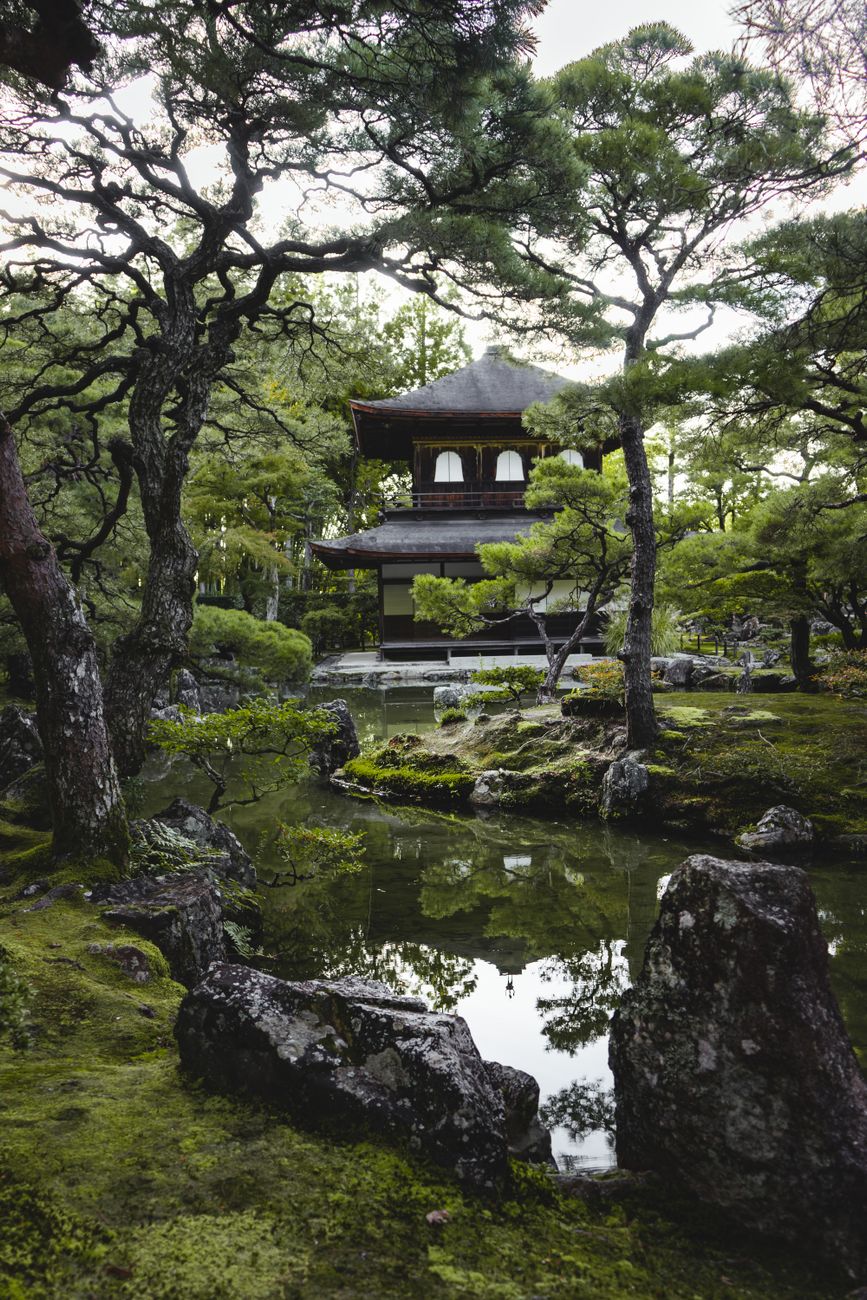
Beyond the crowded intersections of modern Kyoto, up steep cedar-lined gravel roads where the city gives way to mountain mists, lies an older, contemplative world that refuses to succumb to contemporary haste.
Here in the northern slopes, temples such as Sanzen-in and Hosen-in exist not as monuments to tourist curiosity, but as quiet functioning sanatoria for the spirit. Water drips into hand-carved stone basins with a metronomic cadence that stretches back centuries.
The Architectural Grammar of Stillness
Traditional sukiya-style carpentry does not impose its will upon the land; rather, it frames the exterior landscape with deliberate intention. Sitting upon the tatami mats of Hosen-in, the sliding shoji screens disappear, turning cedar groves and ancient maple canopies into living painted scrolls.
The cedar floorboards, salvaged from Fushimi Castle centuries ago, whisper faintly under the footsteps of monks preparing morning sencha. There is a sacred precision in the restraint—no gilded ornaments, no loud statements, only the harmonious balance of wood, stone, and shadow.
"Architecture in these valleys is not designed to impress the eye, but to soothe the breath and slow the heart."
Practical Field Recommendations
- Optimal Arrival: Board the early Kyoto Municipal Bus 17 departing at dawn; reach Ohara before the tour shuttles materialize.
- Footwear: Slip-on leather shoes or boots with wool socks are recommended, as you will remove footwear at each temple threshold.
- Respecting Monastic Quietude: Maintain muted voices; photography is prohibited inside certain sanctums to protect fragile painted cedar panels.